Your Is hydrogen peroxide good for plants images are available in this site. Is hydrogen peroxide good for plants are a topic that is being searched for and liked by netizens today. You can Get the Is hydrogen peroxide good for plants files here. Find and Download all royalty-free photos.
If you’re searching for is hydrogen peroxide good for plants images information related to the is hydrogen peroxide good for plants topic, you have visit the ideal blog. Our website always gives you suggestions for downloading the highest quality video and image content, please kindly surf and locate more informative video content and graphics that match your interests.
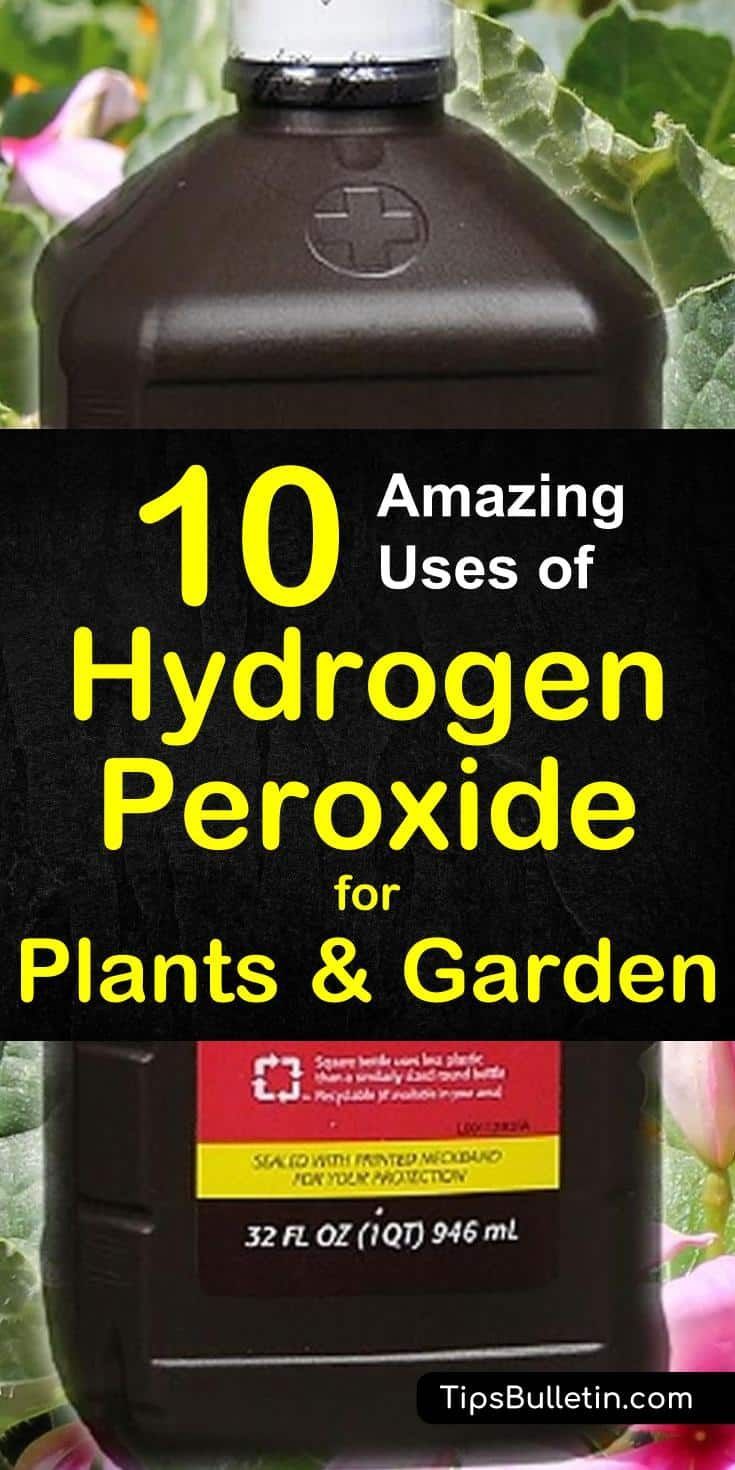
Is Hydrogen Peroxide Good For Plants. When you soak your seeds in a solution of 1 cup water and seven to 10 drops of food grade hydrogen. Its also a good idea to dip your pruning tools into hydrogen peroxide before using them to prune plants. Hydrogen peroxide is extremely helpful in fighting the growth of mold and fungus on plants. Peroxide is great for plants that are planted in the ground and its also great for plants in containers – it is useful in hydroponic gardens raised beds and greenhouses.
 Along With Baking Soda And Vinegar Hydrogen Peroxide Is Also Regarded As One Of The Most Eff Hydrogen Peroxide Organic Vegetable Garden Organic Gardening Tips From pinterest.com
Simply spray the solution on plants or apply it on fresh cuts after pruning. Hydrogen peroxide can also be used topically to treat other plant infections. Other Benefits of Hydrogen Peroxide for Plants. But also remember that such recommendations are based on the experiences of people who simply tried things out and looked at the results. Hydrogen peroxide can provide that boost while also enhancing growth. Just water your plants with it to get the desired effect.
When you soak your seeds in a solution of 1 cup water and seven to 10 drops of food grade hydrogen.
You probably have it in your medicine cabinet in your bathroom to clean cuts and scratches. While hydrogen peroxide soil treatments can eliminate fungus gnats in your potted plants it is also used for. It is claimed that watering plants with hydrogen peroxide solution will add more oxygen into your soil which increases nutrient uptake by roots thereby increasing growth. Hydrogen peroxide can save your plants from root rot. Similarly peroxide for gardening applies well with all kinds of plants. Clean containers with 6 percent to 9 percent concentration of hydrogen peroxide.
Source: pinterest.com
Hydrogen peroxide can provide that boost while also enhancing growth. Other Benefits of Hydrogen Peroxide for Plants. A rose garden herb garden vegetable garden orchard shade trees flower garden or lawn – any or all of these would benefit from hydrogen peroxide. This brilliant mixture can kill the harmful fungus without damaging your shrubs. Hydrogen peroxide can save your plants from root rot.
 Source: pinterest.com
When you overwater your plants you cause a shortage of oxygen at the roots. When you soak your seeds in a solution of 1 cup water and seven to 10 drops of food grade hydrogen. There are some other benefits to using hydrogen peroxide for plants. Sometimes root rot can quickly take hold. It is claimed that watering plants with hydrogen peroxide solution will add more oxygen into your soil which increases nutrient uptake by roots thereby increasing growth.
 Source: pinterest.com
You can use hydrogen peroxide as an anti-fungal spray as infection prevention for damaged trees for pest-control in pre-treating trees and addressing root rot. While hydrogen peroxide soil treatments can eliminate fungus gnats in your potted plants it is also used for. By its chemical formula H 2 O 2 hydrogen peroxide is almost the same as water the sole difference is the addition of an extra atom of oxygen and so it can be used as water to mist plants soak seeds or used to wash sprouts. Using a drench of water and hydrogen peroxide can help to cleanse the growing medium of plants grown in containers. It is claimed that watering plants with hydrogen peroxide solution will add more oxygen into your soil which increases nutrient uptake by roots thereby increasing growth.
 Source: pinterest.com
Bulbs and tubers can be dipped into the solution when they are ready to store in the refrigerator. Peroxide is great for plants that are planted in the ground and its also great for plants in containers – it is useful in hydroponic gardens raised beds and greenhouses. I found one that said to mix 3 hydrogen peroxide with water. Hydrogen Peroxide Benefits for Plants Hydrogen Peroxide can be used in the garden for the following purposes which are beneficial to the plant. Similar in chemical structure to water H2O hydrogen peroxide H2O2 differs with two oxygen.
 Source: pinterest.com
Hydrogen peroxide is often used to sterilize laboratories and medical facilities. Its also a good idea to dip your pruning tools into hydrogen peroxide before using them to prune plants. Hydrogen peroxide is extremely helpful in fighting the growth of mold and fungus on plants. You can use hydrogen peroxide as an anti-fungal spray as infection prevention for damaged trees for pest-control in pre-treating trees and addressing root rot. It can also be used as a fertilizer.
 Source: pinterest.com
Does hydrogen peroxide kill fungus. Add it when watering the roots or spray on the foliage. Using a drench of water and hydrogen peroxide can help to cleanse the growing medium of plants grown in containers. A rose garden herb garden vegetable garden orchard shade trees flower garden or lawn – any or all of these would benefit from hydrogen peroxide. Bulbs and tubers can be dipped into the solution when they are ready to store in the refrigerator.
 Source: pinterest.com
Peroxide is great for plants that are planted in the ground and its also great for plants in containers – it is useful in hydroponic gardens raised beds and greenhouses. Using a drench of water and hydrogen peroxide can help to cleanse the growing medium of plants grown in containers. Bulbs and tubers can be dipped into the solution when they are ready to store in the refrigerator. Clean containers with 6 percent to 9 percent concentration of hydrogen peroxide. Hydrogen Peroxide Benefits for Plants Hydrogen Peroxide can be used in the garden for the following purposes which are beneficial to the plant.
 Source: nl.pinterest.com
It can be an effective way to allow for soil aeration and to lessen the effects of root rot. It can be an effective treatment for problems such as powdery mildew fungal diseases and mold and can cleanse soil of bad bacteria. Clean containers with 6 percent to 9 percent concentration of hydrogen peroxide. It will also kill anything in the soil that may. Hydrogen peroxide can also be used topically to treat other plant infections.
 Source: pinterest.com
Clean containers with 6 percent to 9 percent concentration of hydrogen peroxide. It can also be used as a fertilizer. Sometimes root rot can quickly take hold. Hydrogen peroxide is a liquid composed of two oxygen and two hydrogen atoms. Yes similar to neem oil for plants you.
 Source: pinterest.com
Among its many uses hydrogen peroxide can treat wounds clean clothes and care for plants. You can use hydrogen peroxide as an anti-fungal spray as infection prevention for damaged trees for pest-control in pre-treating trees and addressing root rot. Hydrogen peroxide is a liquid composed of two oxygen and two hydrogen atoms. Among its many uses hydrogen peroxide can treat wounds clean clothes and care for plants. Hydrogen Peroxide for Boosting Plant Growth About Hydrogen Peroxide.
 Source: nl.pinterest.com
How Plants Can Use Hydrogen Peroxide Combat Root Rot. I found one that said to mix 3 hydrogen peroxide with water. And heavy watering could also help plants grown in the ground. Still I think its good to start with an amount that has some history of use so thats what Ive done. When you overwater your plants you cause a shortage of oxygen at the roots.
 Source: id.pinterest.com
This brilliant mixture can kill the harmful fungus without damaging your shrubs. Hydrogen Peroxide Benefits for Plants Hydrogen Peroxide can be used in the garden for the following purposes which are beneficial to the plant. Just water your plants with it to get the desired effect. But also remember that such recommendations are based on the experiences of people who simply tried things out and looked at the results. Add it when watering the roots or spray on the foliage.
 Source: pinterest.com
Bulbs and tubers can be dipped into the solution when they are ready to store in the refrigerator. I found one that said to mix 3 hydrogen peroxide with water. When you overwater your plants you cause a shortage of oxygen at the roots. Use about two teaspoons of 35 hydrogen peroxide to around one gallon of water and then use it on your garden every other time you go out to water your plants. Proper application of hydrogen peroxide.
 Source: pinterest.com
As an example of the variations I just looked at a few pages about peroxide in gardening. Proper application of hydrogen peroxide. Just water your plants with it to get the desired effect. Hydrogen Peroxide for Boosting Plant Growth About Hydrogen Peroxide. Use about two teaspoons of 35 hydrogen peroxide to around one gallon of water and then use it on your garden every other time you go out to water your plants.
 Source: pinterest.com
While hydrogen peroxide soil treatments can eliminate fungus gnats in your potted plants it is also used for. When roots have oxygen they have more room to breathe and are better able to absorb water both of which they need to grow. Bulbs and tubers can be dipped into the solution when they are ready to store in the refrigerator. How Plants Can Use Hydrogen Peroxide Combat Root Rot. Hydrogen peroxide is a liquid composed of two oxygen and two hydrogen atoms.
 Source: pinterest.com
Simply spray the solution on plants or apply it on fresh cuts after pruning. Still I think its good to start with an amount that has some history of use so thats what Ive done. This brilliant mixture can kill the harmful fungus without damaging your shrubs. Hydrogen peroxide is the best choice for gardeners to protect your plants. Once you plant your seeds or plants you can spray hydrogen peroxide directly into the soil at the roots this helps bring your plant more oxygen.
 Source: br.pinterest.com
Hydrogen Peroxide for Boosting Plant Growth About Hydrogen Peroxide. Just water your plants with it to get the desired effect. Simply spray the solution on plants or apply it on fresh cuts after pruning. Hydrogen peroxide can also be used topically to treat other plant infections. It can be an effective treatment for problems such as powdery mildew fungal diseases and mold and can cleanse soil of bad bacteria.
 Source: pinterest.com
Hydrogen peroxide is the best choice for gardeners to protect your plants. By its chemical formula H 2 O 2 hydrogen peroxide is almost the same as water the sole difference is the addition of an extra atom of oxygen and so it can be used as water to mist plants soak seeds or used to wash sprouts. Among its many uses hydrogen peroxide can treat wounds clean clothes and care for plants. Hydrogen peroxide is the best choice for gardeners to protect your plants. As an example of the variations I just looked at a few pages about peroxide in gardening.
This site is an open community for users to do submittion their favorite wallpapers on the internet, all images or pictures in this website are for personal wallpaper use only, it is stricly prohibited to use this wallpaper for commercial purposes, if you are the author and find this image is shared without your permission, please kindly raise a DMCA report to Us.
If you find this site convienient, please support us by sharing this posts to your favorite social media accounts like Facebook, Instagram and so on or you can also bookmark this blog page with the title is hydrogen peroxide good for plants by using Ctrl + D for devices a laptop with a Windows operating system or Command + D for laptops with an Apple operating system. If you use a smartphone, you can also use the drawer menu of the browser you are using. Whether it’s a Windows, Mac, iOS or Android operating system, you will still be able to bookmark this website.