Your Mold in plant soil harmful to humans images are available. Mold in plant soil harmful to humans are a topic that is being searched for and liked by netizens today. You can Get the Mold in plant soil harmful to humans files here. Get all free vectors.
If you’re searching for mold in plant soil harmful to humans pictures information related to the mold in plant soil harmful to humans interest, you have come to the right site. Our website always gives you hints for viewing the highest quality video and picture content, please kindly search and locate more informative video content and images that fit your interests.
Mold In Plant Soil Harmful To Humans. Since soil moisture is above normal the roots of the plant can simply rot. Exposure to mold usually happens when a plant is kept continually moist. The perfect environment for white mold on house plants to grow is dampness and low light. These species are not harmful to your plants if they are in small amounts.
 A Guide To Fungus And Houseplants What S Harmful And What S Not And How To Fix It Houseplants Fungi Soil Layers From nl.pinterest.com
May look cottony in nature. Mold can never be totally eliminated. It depends on the type youre dealing with. Aeruginosa is not a concern. Overwatering plants is the number one cause of mold growth in indoor plant soil and this is because a soggy growing medium encourages growth of mold and fungi. Soil needs to breath and it sounds like you might be overwatering or not have good drainage on your plant pot.
These are the molds that produce mycotoxins which in short are poisonous chemicals that are highly dangerous to humans and animals.
Water your houseplants only when theyre dry. In nature it actually is part of the life cycle of plants. There are different species of mold found in potting soils. Prompt attention is required when you realize that you have been overwatering your plants. Fertilizer produced by an electric composter or a material such as PittMoss is a regular suspect for feeding the existing bacteria in your soil. Aeruginosa is not a concern.
 Source: pinterest.com
The truth is that mold spores are a regular part of soil and are normally harmless. Others can be beneficial like penicillin. May look cottony in nature. Nevertheless the old plants can be almost harmless of white mold. Soil needs to breath and it sounds like you might be overwatering or not have good drainage on your plant pot.
 Source: pinterest.com
The mold that sometimes appear on the surface of your indoor plants soil is not harmful to plants. The perfect environment for white mold on house plants to grow is dampness and low light. Since soil moisture is above normal the roots of the plant can simply rot. There are different species of mold found in potting soils. Ensure it is watered properly and the soil doesnt dampen.
 Source: pinterest.com
Plants in dark or shady areas are susceptible to mold attack. If you see white powdery looking mold on the plants around your home you should know it isnt a direct threat to you or your family although it can be indirectly harmful. As mentioned above this mold is typically a saprophytic fungus and poses little harm to humans or your plants. Ensure it is watered properly and the soil doesnt dampen. In nature it actually is part of the life cycle of plants.
 Source: pinterest.com
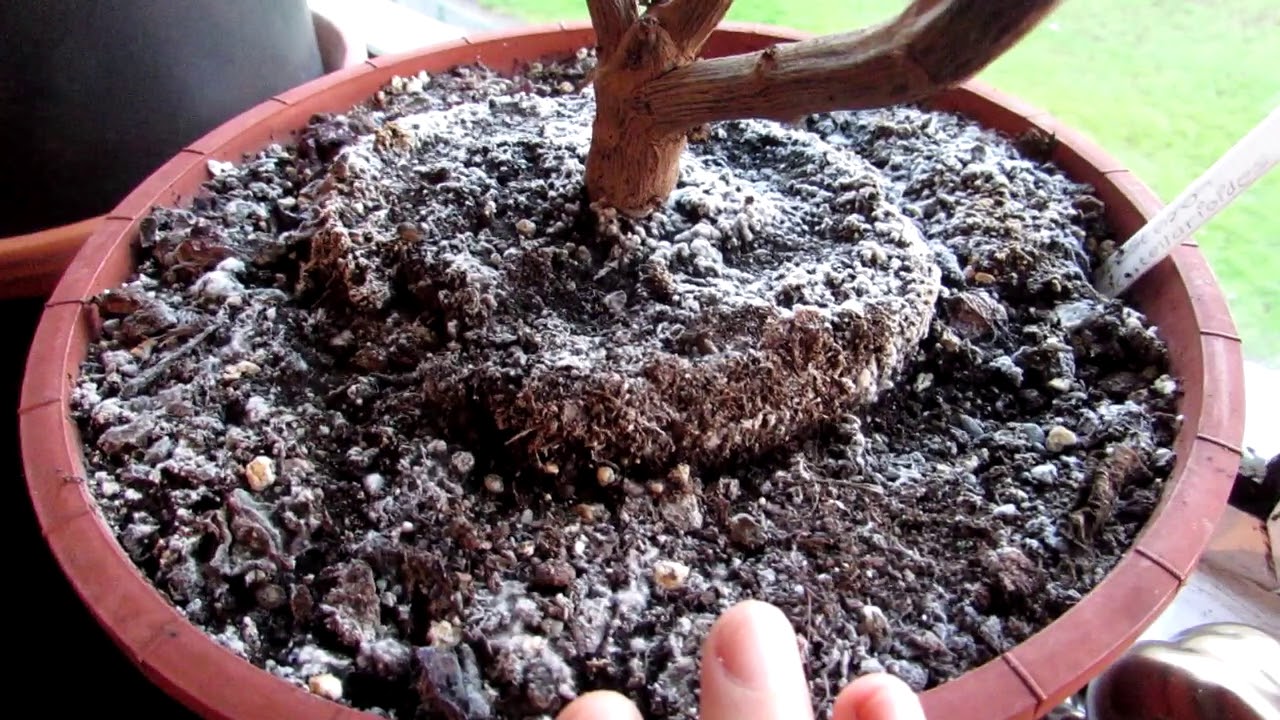
Overwatering plants is the number one cause of mold growth in indoor plant soil and this is because a soggy growing medium encourages growth of mold and fungi. The perfect environment for white mold on house plants to grow is dampness and low light. Mold growing on your plants soil is not only harmful to the plant but it can also be harmful to members of your household. To do so simply scrape the surface of the soil and remove the upper layer from the pot. For most of us and for most healthy plants P.
 Source: ro.pinterest.com
The perfect environment for white mold on house plants to grow is dampness and low light. Mold growing on your plants soil is not only harmful to the plant but it can also be harmful to members of your household. Soil needs to breath and it sounds like you might be overwatering or not have good drainage on your plant pot. This fungus colonizes the soil surface when conditions are damp and ventilation is limited. Sunlight helps your soil to dry out between watering and prevents mold from occurring.
 Source: pinterest.com
This happens when you either over. However if left unattended this problem will spread to the rest. Some molds such as toxic black mold occasionally found in homes can hurt humans. Most often youll encounter a white dusty mold on top of the soil. Since soil moisture is above normal the roots of the plant can simply rot.
 Source: pinterest.com
Aeruginosa is not a concern. Toxic molds intentionally harm other living things as a means of survival or when they feel threatened. Andrew Gaumond horticulturist botanist and director of content at Petal Republic explains that white mold is relatively harmless to the overall health of the plant while fungal mycelia can be a real issue Although fuzzy white mold on its soil may not hurt your houseplant the conditions that allowed such mold. Do this by gently removing all the soil from the plants root ball and re-potting it. Sunlight helps your soil to dry out between watering and prevents mold from occurring.
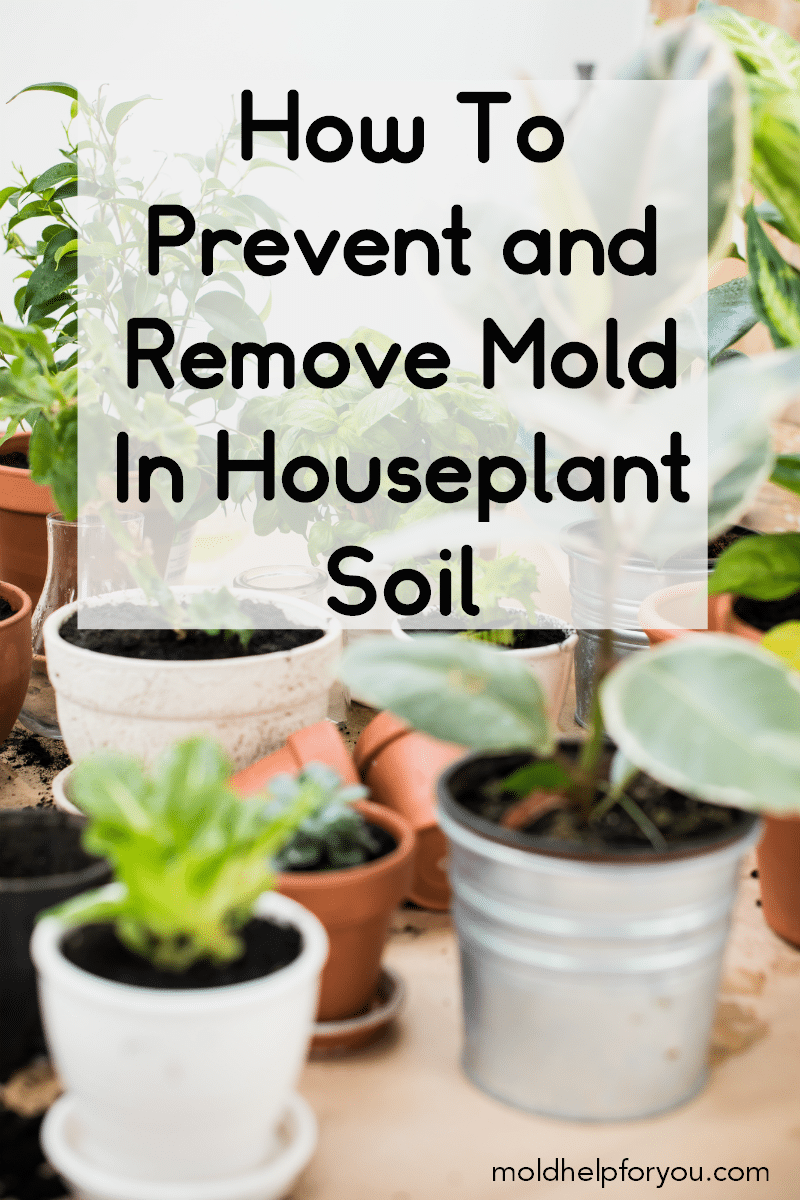 Source: moldhelpforyou.com
When bringing a new plant into your home re-pot it using sterile soil because your plant may originally have come home from the store with mold in its soil. When that is done let the soil dry before watering again. Mold on soil may or may not harm your plant. Water your houseplants only when theyre dry. Hazard Class B Allergenic Molds These molds may affect people who have certain allergies or asthma.
 Source: pinterest.com
However moldy soil might also be a sign that your plant is not getting what it needs in terms of sunlight air circulation and moisture. Under these conditions mold spores grow into their adult fungi form and release even more spores. Ensure it is watered properly and the soil doesnt dampen. May look cottony in nature. However it is strongly recommended to get rid of it.
 Source: pinterest.com
For most of us and for most healthy plants P. If you do not take necessary action in time then the plant will simply die. However it is strongly recommended to get rid of it. Nevertheless the old plants can be almost harmless of white mold. As mentioned above this mold is typically a saprophytic fungus and poses little harm to humans or your plants.
 Source: wallygro.com
Fertilizer produced by an electric composter or a material such as PittMoss is a regular suspect for feeding the existing bacteria in your soil. However moldy soil might also be a sign that your plant is not getting what it needs in terms of sunlight air circulation and moisture. Fertilizer produced by an electric composter or a material such as PittMoss is a regular suspect for feeding the existing bacteria in your soil. Nevertheless the old plants can be almost harmless of white mold. May look cottony in nature.
 Source: pinterest.com
Do this by gently removing all the soil from the plants root ball and re-potting it. Do this by gently removing all the soil from the plants root ball and re-potting it. The truth is that mold spores are a regular part of soil and are normally harmless. Ensure it is watered properly and the soil doesnt dampen. Therefore if youve got a low-light indoor plant you should be very careful with it.
 Source: in.pinterest.com
There are different species of mold found in potting soils. When that is done let the soil dry before watering again. The white fluffy stuff on the plant soil is most likely a harmless saprophytic fungus. Aeruginosa is not a concern. However leaving the mold to continue thriving can be catastrophic.
 Source: wikihow.com
Its pretty common since the clay pots that are so popular at the store these days either have only one. This happens when you either over. To do so simply scrape the surface of the soil and remove the upper layer from the pot. For most of us and for most healthy plants P. Plants in dark or shady areas are susceptible to mold attack.
 Source: wikihow.com
Under these conditions mold spores grow into their adult fungi form and release even more spores. Others can be beneficial like penicillin. The truth is that mold spores are a regular part of soil and are normally harmless. Soil needs to breath and it sounds like you might be overwatering or not have good drainage on your plant pot. However leaving the mold to continue thriving can be catastrophic.
 Source: wikihow.com
However moldy soil might also be a sign that your plant is not getting what it needs in terms of sunlight air circulation and moisture. Sunlight helps your soil to dry out between watering and prevents mold from occurring. To do so simply scrape the surface of the soil and remove the upper layer from the pot. Most often youll encounter a white dusty mold on top of the soil. These species are not harmful to your plants if they are in small amounts.
 Source: wikihow.com
As mentioned above this mold is typically a saprophytic fungus and poses little harm to humans or your plants. For most of us and for most healthy plants P. May look cottony in nature. Sunlight helps your soil to dry out between watering and prevents mold from occurring. To do so simply scrape the surface of the soil and remove the upper layer from the pot.
 Source: wikihow.com
In nature it actually is part of the life cycle of plants. Overwatering plants is the number one cause of mold growth in indoor plant soil and this is because a soggy growing medium encourages growth of mold and fungi. Others can be beneficial like penicillin. If you see white powdery looking mold on the plants around your home you should know it isnt a direct threat to you or your family although it can be indirectly harmful. If you add an organic fertilizer to your soil just before planting or after youve already planted you are increasing the risk of seeing that white mold on the top of your soil.
This site is an open community for users to do sharing their favorite wallpapers on the internet, all images or pictures in this website are for personal wallpaper use only, it is stricly prohibited to use this wallpaper for commercial purposes, if you are the author and find this image is shared without your permission, please kindly raise a DMCA report to Us.
If you find this site beneficial, please support us by sharing this posts to your preference social media accounts like Facebook, Instagram and so on or you can also bookmark this blog page with the title mold in plant soil harmful to humans by using Ctrl + D for devices a laptop with a Windows operating system or Command + D for laptops with an Apple operating system. If you use a smartphone, you can also use the drawer menu of the browser you are using. Whether it’s a Windows, Mac, iOS or Android operating system, you will still be able to bookmark this website.